9 Types of Septic System Installations Offered By The Plumbing Pro
The Plumbing Pro MO (816) 763-8200 KS (913) 782-9669
According to the EPA, there are nine common types of septic wastewater treatment systems. Every dwelling needs a way to handle wastewater and sewage. While some homes are connected to local sewer systems, others use private, self-contained wastewater and sewage treatment systems, known as septic systems.
Regardless of the type, all septic systems aim to remove waste from the home, treat it, and maintain the environmental integrity of the location.
In the Kansas City Metro area, The Plumbing Pro typically recommends one of the first five types of septic systems. However, we want to provide a complete overview, so we’re also including the other four systems listed on the EPA’s website.
Gravity Septic and Lateral Lines
A Gravity Septic system uses gravity to move effluent (wastewater and sewage in liquid form) away from the home to the septic tank and then to the drain field, or lateral lines. For every gallon of waste that enters the tank, one gallon is moved towards the drain field, a process known as gravity flow. These systems do not use a pump and require regular maintenance.
Conventional Systems
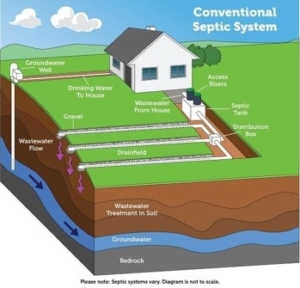 A conventional system, often installed in single-family homes, includes a septic tank, access riser, distribution box, and a shallow gravel lateral field. The system moves effluent, which is then treated by microbes and filtered through gravel and soil.
Infiltrator (Chamber) Systems
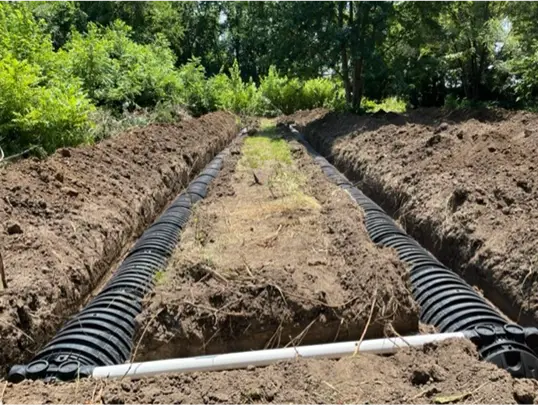
An infiltrator system does not use gravel. It’s easier to deliver and install, making it a great choice for areas with high groundwater or for seasonal homes where water usage varies. The wastewater directly contacts the soil, where microbes treat the effluent.
Low-Pressure Systems
A low-pressure septic system uses a septic tank, pump tank, and pressure-adjusting valve to move effluent into the distribution system. This type of system is ideal for areas with clay or shallow soils.
Pond Septic Systems
Residential lagoon systems may use a conventional septic tank, but effluent flows to a storage pond or lagoon for further treatment. Depending on local regulations, some systems might not require a septic tank. Pond systems can be aerobic (using air to speed up treatment in shallow ponds) or anaerobic (using deeper ponds similar to traditional septic tanks). Regular maintenance is necessary.
Mound Septic Systems
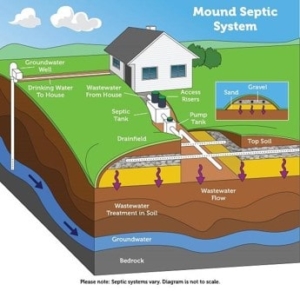
Mound septic systems are rare in the Kansas City area but useful where soil depth is shallow, groundwater is high, or bedrock is close to the surface. These systems include a septic tank and pump, and the effluent is filtered through a constructed mound. Mound systems often require more space and maintenance than other systems.
Drip Irrigation Septic Systems
Drip irrigation systems are found in various settings, including homes, farms, facilities, and golf courses. These systems use a shallow drain field to distribute effluent over a wide area, which can often include landscaping. They require only 6 to 8 inches of soil but need a larger dose tank and more piping. Regular maintenance is required.
Aerobic Treatment Units
Aerobic treatment units operate like small-scale municipal sewage plants by injecting oxygen into the septic system to increase bacterial activity and improve wastewater treatment. These systems are suitable for smaller lots or areas with inadequate soil but require regular maintenance.
Recirculating Sand Filter Systems
Sand filter systems, though uncommon in Kansas City, consist of a septic tank, pump chamber, and sand filters housed in a box or PVC piping. Wastewater is pumped through these filters under low pressure for treatment. They are ideal for areas with high water tables or near water bodies like lakes and oceans but are typically more expensive than standard septic systems.
Evapotranspiration Systems
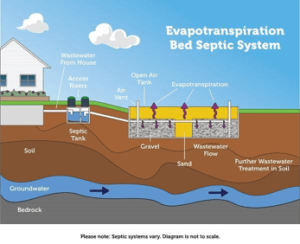
Evapotranspiration systems are unique because they rely on evaporation and a watertight drain field. Effluent does not filter through the soil but evaporates into the air. These systems are suitable for arid climates with ample sunlight and heat. Regular maintenance is required.
Constructed Wetland Systems
Constructed wetland systems mimic natural wetlands. Wastewater flows from the septic tank through plants, rocks, sand, gravel, and soil, where naturally occurring microbes treat it. These systems can be gravity-fed or use pressure distribution and require regular maintenance.
Each of these systems offers different benefits and is suited to specific conditions. For more detailed information or advice on the best septic system for your property, contact The Plumbing Pro today! Call (816) 763-8200 or (913) 782-9669.

 The Plumbing Pro 2019
 The Plumbing Pro